On-Page SEO and Its Role in Content Indexing
- May 1, 2026
- SEO
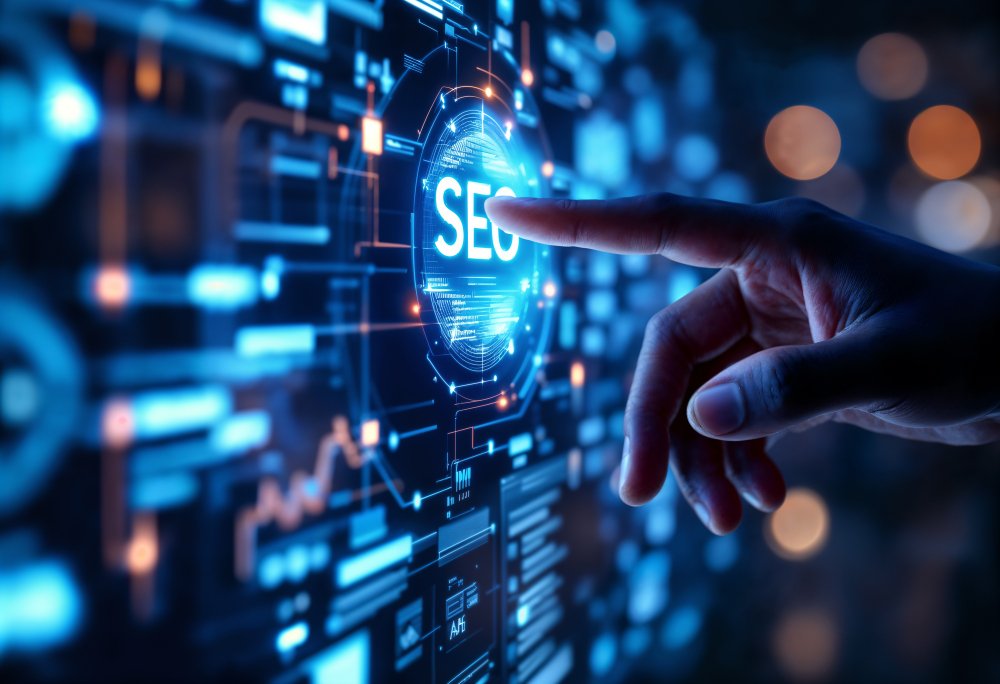
Content indexing is at the heart of how search engines discover and display web pages. Without proper indexing, even high-quality content may never appear in search results. This is where on-page SEO becomes essential, as it helps search engines understand, categorize, and rank content more effectively.
Understanding On-Page SEO
On-page SEO refers to the process of optimizing individual web pages to improve their visibility in search engines. It focuses on elements that are directly within the page, such as title tags, meta descriptions, header structure, keyword usage, internal links, and overall content organization. These elements work together to give search engines clear signals about what the page is about and how relevant it is to specific search queries.
How Content Indexing Works
Content indexing begins when search engine crawlers visit a webpage and analyze its structure and content. The information is then processed and stored in a search engine’s database. If a page is well-structured and easy to understand, it is more likely to be indexed quickly and accurately. However, if the content is unclear or poorly organized, indexing may be delayed or incomplete.
On-page SEO plays a key role in this process by ensuring that the page is structured in a way that search engines can easily interpret.
Importance of Page Structure and Header Tags
A clear page structure helps both users and search engines navigate content more effectively. Header tags such as H1, H2, and H3 create a logical hierarchy that defines the main topic and supporting sections of a page. This structure improves readability while also helping search engines understand how the content is organized.
When a page is well-structured, it becomes easier for search engines to process the information, which improves indexing efficiency and overall visibility.
Role of Keywords in Modern SEO
Keywords still play an important role in on-page SEO, but their usage has evolved significantly. Instead of focusing on repetition, modern search engines prioritize context and intent. This means keywords must be used naturally within headings, paragraphs, and supporting content.
When keywords are placed in a meaningful and relevant way, they help search engines connect the page with user search queries. However, unnatural keyword stuffing can reduce content clarity and negatively affect indexing performance.
Meta Tags and Their Impact
Meta tags are another important part of on-page SEO. Title tags summarize the main topic of a page, while meta descriptions provide a short preview that appears in search results. Although meta descriptions do not directly influence rankings, they can improve click-through rates, which indirectly supports better search performance over time.
These elements help search engines and users quickly understand the purpose of a webpage before clicking on it.
Internal Linking and Site Navigation
Internal linking connects different pages within a website and helps search engines discover new content more efficiently. It also establishes relationships between related pages, making it easier for search engines to understand the structure and hierarchy of a website.
A strong internal linking system ensures that important pages are crawled and indexed properly while also improving the overall user experience.
Page Speed and Mobile Optimization
Search engines prioritize websites that load quickly and perform well across all devices. Page speed and mobile responsiveness are now critical ranking and indexing factors. A slow or poorly optimized website can reduce crawl frequency and limit how often content is updated in search engine indexes.
Ensuring fast load times and mobile-friendly design improves both user satisfaction and search visibility.
Content Quality and Indexing
High-quality content is one of the most important factors in successful indexing. Search engines evaluate content based on originality, depth, and relevance. Pages that provide valuable and well-structured information are more likely to be indexed and ranked.
In contrast, thin or duplicate content may be ignored or excluded from search indexes altogether.
Schema Markup and Structured Data
Schema markup helps search engines better understand the context of a webpage by providing structured data. This additional layer of information can describe products, services, articles, events, and more.
By adding structured data, websites improve their chances of being indexed accurately and may also gain enhanced visibility in search results through rich snippets.
URL Structure and SEO Clarity
URL structure also plays a role in indexing. Clean, descriptive URLs that reflect the content of a page make it easier for both users and search engines to understand what the page is about. Simple and readable URLs improve crawl efficiency and contribute to better indexing performance.
On-page SEO is a foundational element of content indexing. Every aspect of a webpage—from structure and keywords to internal links and technical optimization—contributes to how search engines interpret and rank content.
As search engines continue to evolve with artificial intelligence and semantic understanding, the importance of well-structured, high-quality, and relevant content is only increasing. Websites that prioritize strong on-page SEO practices are more likely to achieve consistent indexing and better long-term search visibility.
Looking to improve your search visibility and rank higher on Google? Earn SEO offers expert on-page SEO services in NYC designed to optimize your website structure, content, and performance for better indexing and stronger organic growth. Our team focuses on proven strategies that enhance relevance, improve user experience, and drive targeted traffic to your business. Whether you’re a local startup or an established brand, we help you stay ahead in the competitive digital landscape. Get in touch today and take the next step toward sustainable online success.
Earn SEO was established in 2011 by Devendra Mishra, a highly educated professional with varied training and experience. Mr. Mishra is responsible for business development, attracting new Earn SEO partners, and interacting with clients, the media and press, and acting as Brand Ambassador.

Devendra Mishra
Founder
More from our blog
See all posts